www.memorialeye.com
Memorial Eye Institute
Search
Print this page

Procedures
Cataract Surgery
Laser Refractive Cataract Surgery
Posterior Capsulotomy
Limbal Relaxing Incisions (LRIs)
Argon Laser Trabeculoplasty (ALT)
Laser Iridotomy
Filtration Surgery (Trabeculectomy)
Pan-Retinal Photocoagulation
Flourescein Angiography
Photodynamic Therapy (PDT)
Punctal Occlusion
Corneal Transplant
LASIK
Photo-Refractive Keratectomy (PRK)
Astigmatic Keratotomy (AK)
PRELEX
Refractive Lensectomy
Blepharoplasty
Botox Injection
Conductive Keratoplasty (CK)
Accommodative IOL Implant
Comprehensive Eye Exams
Selective Laser Trabeculoplasty (SLT)
Low Vision Exams
DSAEK

Tired of your reading glasses? Attend a free botox screening Restore your vision Restore your vision
Procedures

Photodynamic Therapy (PDT)

Photodynamic therapy (PDT) is a treatment for some cases of the wet form of age-related macular degeneration. It involves injecting a light-sensitive chemical into the arm. The chemical travels to abnormal blood vessels in the retina where it is activated with a special light. The activated chemical destroys the abnormal blood vessels without causing damage to the normal retinal tissues nearby. This allows PDT to be used in some cases where conventional laser treatment would cause too much damage to surrounding retinal tissue.


PDT can slow the loss of vision and sometimes improve vision.

PDT is for those:

  • who have been diagnosed with the wet form of age-related macular degeneration
  • whose doctor has determined that PDT is the appropriate treatment for their condition

What to expect on procedure day:

Your treatment will be performed in a specially equipped laser room. PDT does not require a surgery center.

First, your doctor or nurse will inject a drug called Visudyne into a vein in your arm. After about a five-minute wait, drops will be used to numb your eye. When your eye is completely numb, an eyelid holder will be placed between your eyelids to keep you from blinking. You'll be asked to put your chin into the slit lamp microscope your eye doctor typically uses to perform your regular eye exams. Your doctor will shine a diode laser light through the slit lamp of a microscope into the your eye, activating the Visudyne drug. You may see flashes of bright light during the procedure. PDT takes about 90 seconds and is painless. Most patients resume normal activities immediately. You'll need to stay out of direct sunlight for at least 24 hours. You may require repeat treatments at a later time to enhance the initial results.

Realistic expectations:

Following treatments, some patients experience a temporary reduction of vision, which will improve over the next few weeks. This is a relatively new procedure. Serious complications with PDT are extremely rare, but like any medical procedure, it does have some risks. Going to a specialist experienced in PDT can significantly minimize the risks.

If you and your doctor decide that PDT is an option for you, you will be given additional information about the procedure that will allow you to make an informed decision about whether to proceed. Be sure you have all your questions answered to your satisfaction.

If you would like more information about this procedure you can make an appointment or contact the office for additional information.

2 Locations to Serve You:

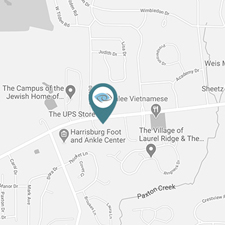
Harrisburg Location: 4100 Linglestown Road, Harrisburg, PA 17112
Phone: (717) 657-2020 | (800) 382-2020 | Fax: (717) 657-2071 
Click Here to E-mail Us

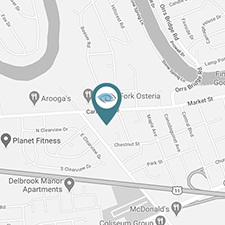
West Shore Location: 4407 Carlisle Pike • Camp Hill, PA 17011
Phone: (717) 975-2015 | Fax: (717) 657-2071

Mojo Interactive Programming, Design and Hosting by Mojo Interactive, © 2002-2012.
Content © 2002-2012 Patient Education Concepts, Inc. Licensed Users Only
PEC back to top ^